Miami-Dade Grease Trap FOG Compliance
Grease Trap Cleaning, Inspection, Repair & Certification
★★★★★ 4.8 out of 5 stars 328 REVIEWS - source Google, Yelp, Angi
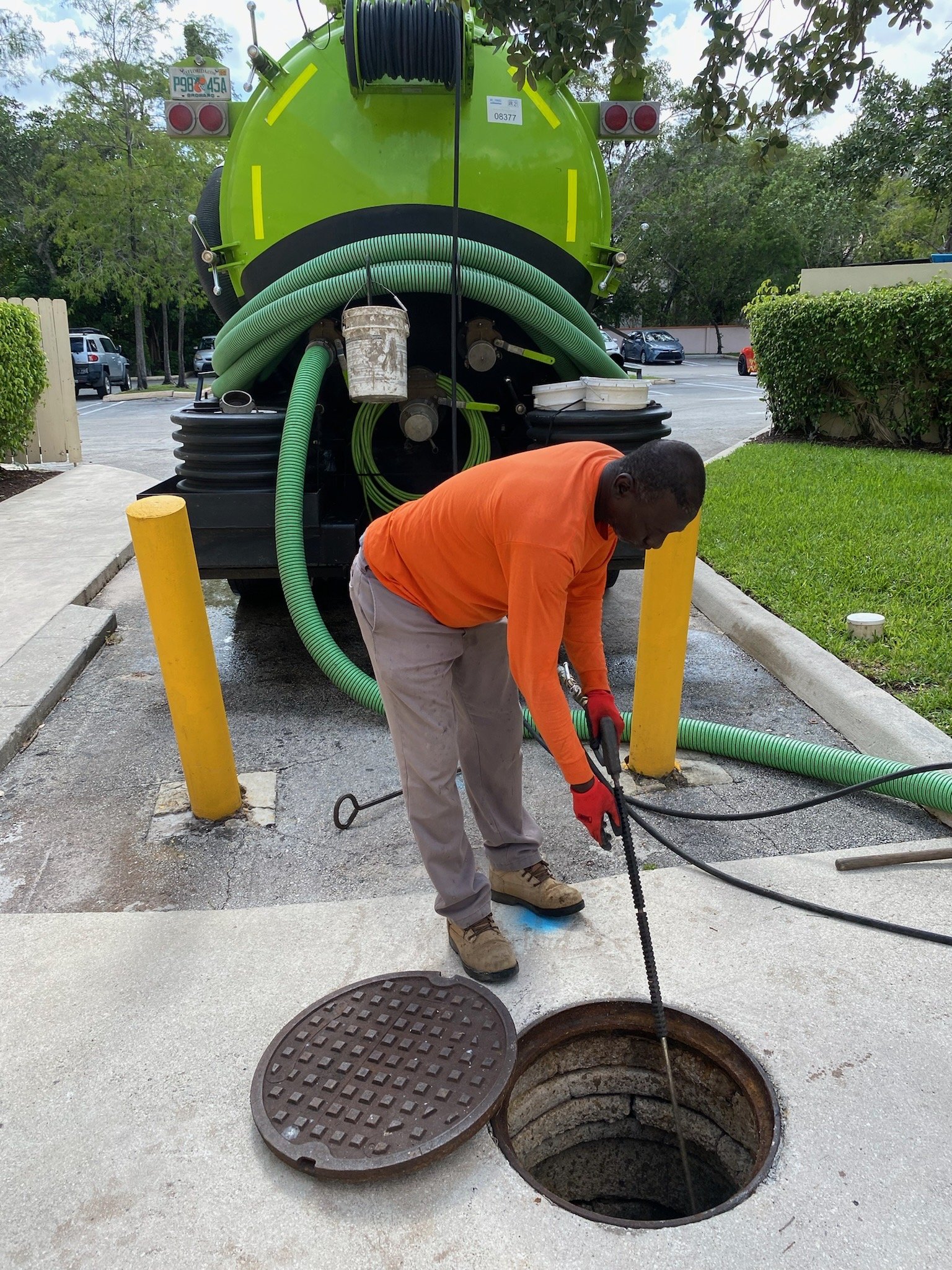
Same Day Pumping & Repairs

Family Owned Since 1989 Maria and John

4.8 Star Rating

Drain Cleaning & Jetting
Grease Trap Pumping & Cleaning
Drain Cleaning
Hydro-jetting
Grease Trap Repairs
Grease Trap Inspections
Sewer Repairs
Grease Trap Pumping & Cleaning Drain Cleaning Hydro-jetting Grease Trap Repairs Grease Trap Inspections Sewer Repairs
Solving Grease Trap Regulatory Problems with Pumping, Repairs, Certifications, and More!
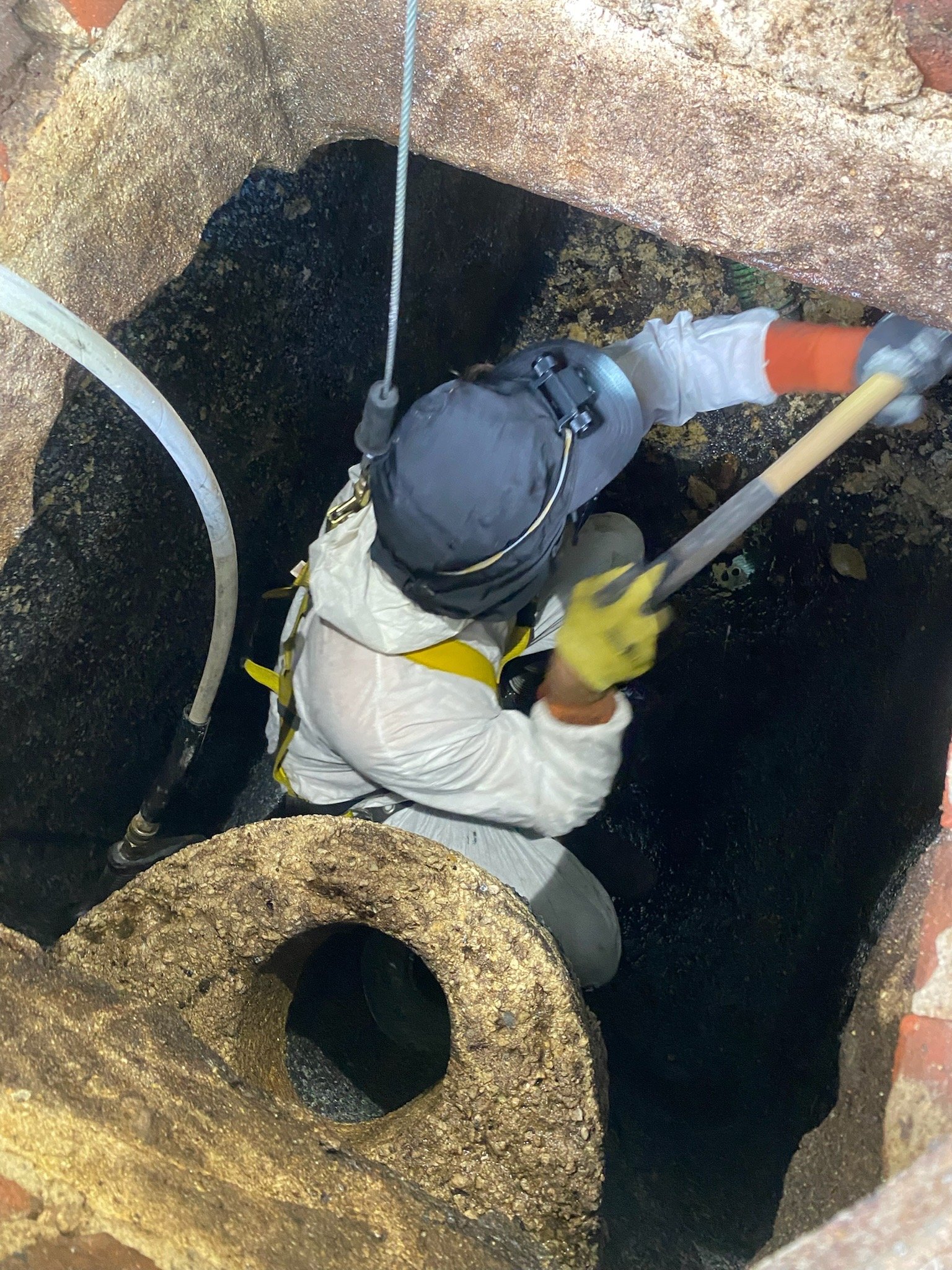
Our state-of-the-art equipment and techniques make us the top choice for fast and efficient grease trap repair. Using minimally invasive methods, we minimize disturbance to your premises while ensuring the job is completed correctly.
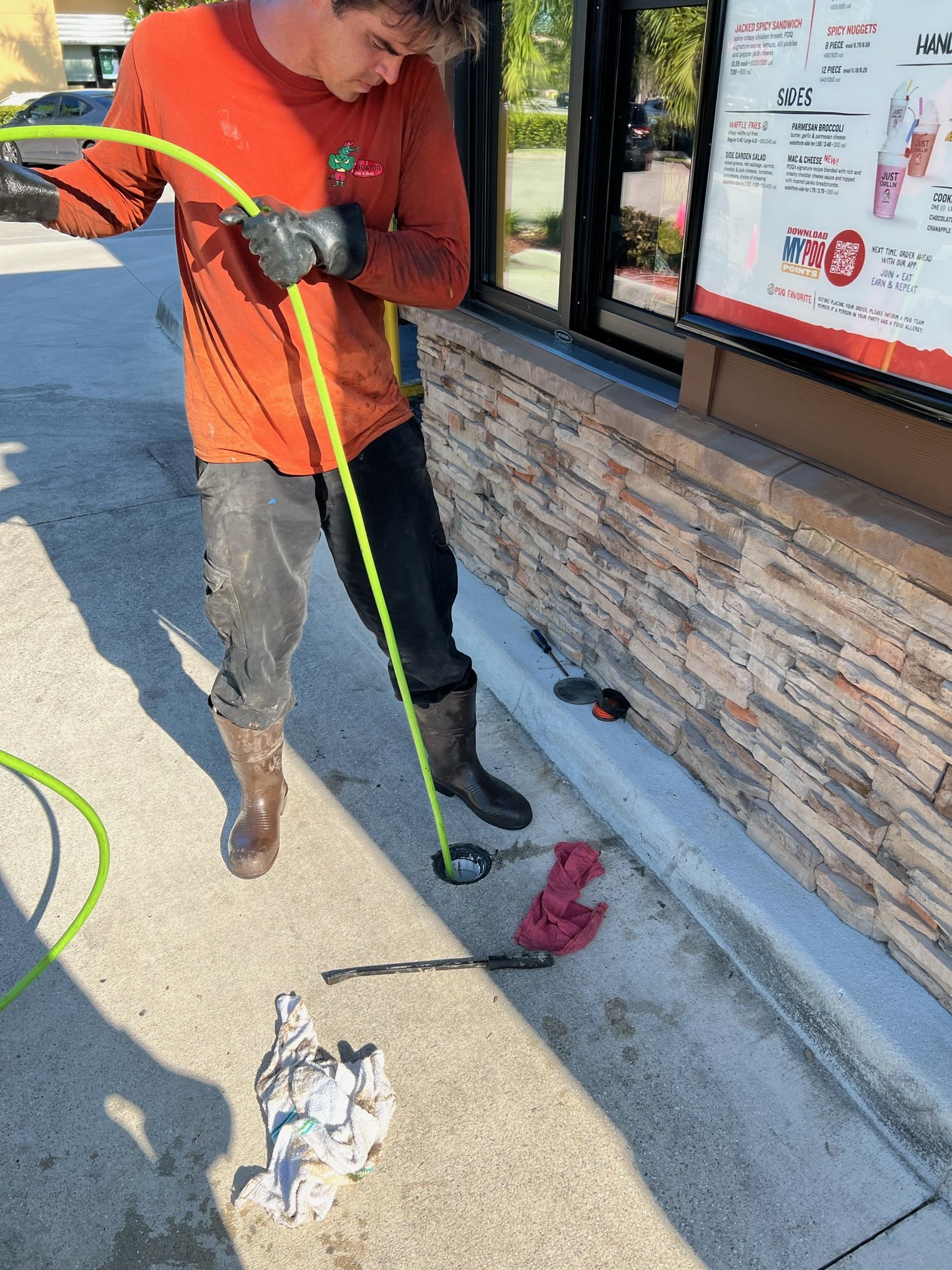
Experienced team, specialized equipment, and expert troubleshooting for even the most difficult grease trap problems.

Fast Same Day Repairs
What is a GDO number?
In relation to grease traps in Miami-Dade County, a GDO number is a unique identifier assigned to a grease trap maintenance and cleaning report by the Miami-Dade Water and Sewer Department (WASD). When a grease trap is installed in a commercial kitchen or food service establishment, the owner is required to submit a Grease Interceptor Permit Application to the WASD for approval. Once the permit is approved, the owner must regularly maintain and clean the grease trap and submit reports to the WASD for inspection and compliance.
The report submitted by the owner after each maintenance and cleaning service includes details such as the date of service, the name and contact information of the service provider, the volume of grease and solids removed, and the disposal method used. The WASD then assigns a GDO number to the report, which is used to track compliance and ensure that the grease trap is being properly maintained and serviced in accordance with local regulations.
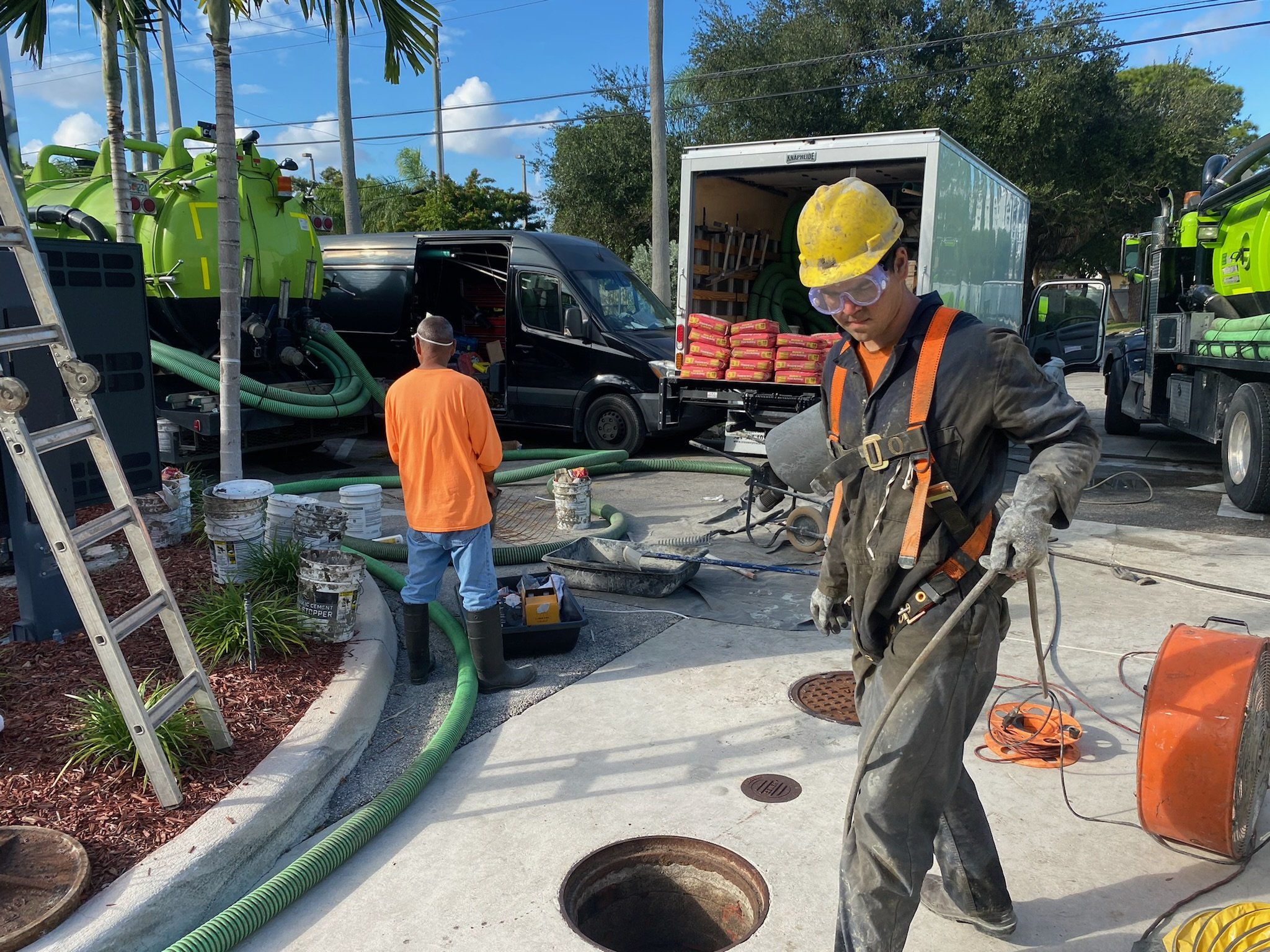
Grease Trap Frequently Asked Questions
-
Pump and pressure wash every 1-3 months on average. The cleaning frequency depends on the size of the trap and the volume of FOG generated by the establishment. The FOG permit will specify the cleaning schedule.
-
Signs of a clogged grease trap include slow drainage, foul odors, and backups into your kitchen. If you notice any of these signs, contact a professional grease trap cleaning service in South Florida immediately.
-
A grease trap is a plumbing device that is used to intercept and trap fats, oils, and grease (FOG) from wastewater before it enters the municipal sewer system. It works by slowing down the flow of water and allowing it to cool, which causes the FOG to solidify and float to the top of the trap. The FOG is then trapped by a baffle or other mechanism, while the cleaner water flows out of the trap and into the sewer.
-
Fines for non-compliance can range from $100 to $1,000 per day, depending on the severity of the violation.
Talk to an expert now with any other questions you may have
Miami-Dade FOG Grease Trap Compliance: A Guide for Business Owners
As a business owner in Miami-Dade County, you have a responsibility to comply with local regulations for the disposal of fats, oils, and grease (FOG). Failure to comply with these regulations can result in hefty fines, legal action, and harm to the environment. In this article, we'll explain what FOG is, why it's a problem, and how you can ensure compliance with Miami-Dade County's FOG grease trap regulations.
What is FOG?
Fats, oils, and grease (FOG) are byproducts of cooking that accumulate in kitchen drains, grease traps, and sewer lines. These substances can cause blockages, backups, and overflows that lead to environmental and health hazards. FOG can also cause damage to plumbing systems, resulting in expensive repairs and downtime for businesses.
Why is FOG a Problem?
When FOG is poured down the drain, it solidifies and sticks to the inner walls of pipes and sewer lines, creating blockages that can cause backups and overflows. These blockages can lead to raw sewage spills, which can contaminate waterways, harm wildlife, and pose health risks to humans. In addition to environmental concerns, FOG buildup can also cause unpleasant odors, attract pests, and lead to costly plumbing repairs.
Miami-Dade County's FOG Grease Trap Regulations
Miami-Dade County requires all food service establishments to install and maintain grease traps or interceptors to prevent FOG from entering the sewer system. The county's FOG regulations apply to a wide range of food service establishments, including restaurants, cafeterias, bars, hotels, and institutional kitchens.
FOG Permitting
All food service establishments in Miami-Dade County are required to obtain a FOG permit before opening. The permit application process involves submitting detailed plans for the grease trap or interceptor, as well as a detailed cleaning and maintenance schedule. The permit must be renewed annually and can be revoked for non-compliance.
Grease Trap Maintenance
Miami-Dade County's FOG regulations require food service establishments to clean and maintain their grease traps or interceptors regularly. The frequency of cleaning depends on the size of the trap and the volume of FOG generated by the establishment. Failure to maintain the grease trap can result in fines, legal action, and the revocation of the FOG permit.
Best Practices for FOG Compliance
To ensure compliance with Miami-Dade County's FOG regulations, business owners should follow these best practices:
Train employees on FOG disposal and the importance of compliance.
Install and maintain a properly sized grease trap or interceptor.
Keep a detailed cleaning and maintenance schedule.
Dispose of FOG in a designated container and arrange for proper disposal.
Keep accurate records of FOG disposal and cleaning schedules.
Respond promptly to any grease-related plumbing issues.